4002 US-290 g, Dripping Springs, TX Mon-Sun: 7:00 am – 7:00 pm
Licensed & Insured

Roofing Contractor in Dripping Springs, TX Built for Hill Country Weather

Roofs in Dripping Springs take a beating. Summer shingle surfaces climb past 150°F. Spring supercells drop hail up to 2.5 inches across Hays County. Flash Flood Alley downpours can dump several inches an hour into your valleys and gutters, and live oaks shed debris onto the roof all year. A roof that would last 25 years somewhere milder can wear out years early out here. Dripping Springs Roofing Company repairs, replaces and installs asphalt shingle, standing-seam metal, tile and flat roofs designed for this climate, with free estimates and workmanship you can count on.

We're based in the Hill Country, not just passing through after the latest hailstorm. We know the 2000s-era builder roofs now coming due in Belterra and Headwaters, the tile estates around Lakeway and The Hills, and the barns and venue buildings along US 290 and FM 150 out toward Driftwood and Henly. We also know which jurisdictions require permits, which HOAs need architectural review, and how to get a tear-off dried-in before an afternoon storm rolls in.

  • Bonded roofing contractor
  • Fully insured crews
  • Free, no-obligation estimates

Our reputation comes from Hill Country neighbors: families in Dripping Springs subdivisions, ranch owners in Henly and Driftwood, and businesses along US 290. Ask us for local references during your free estimate.

Request Your Free Estimate

No obligation. Fast, honest quotes.

Your information is never shared.

Online Estimates
Onsite Service
Licensed & Insured
Customer Rated
Local Expertise

Why Dripping Springs Roofs Need a Hill Country Roofing Contractor

Dripping Springs sits on the eastern Edwards Plateau, just west of the Balcones Escarpment. That location brings extreme heat, intense rain, regular hail and heavy tree canopy. Add fast-growing neighborhoods, a mix of roofing materials and a patchwork of local rules, and roofing here takes real local knowledge.

Heat, Hail and Flash Flood Alley

From June through September, highs in the mid-to-upper 90s are normal, and drought years bring long runs of 100°F+ days. Dark shingles go well past 150°F, which dries out the asphalt, speeds granule loss and bakes poorly ventilated attics. Annual rainfall averages 34–36 inches, but it rarely arrives gently. It comes in convective bursts peaking in May–June and again in fall, and storms along the escarpment can drop several inches per hour. The 2015 Blanco River flood and the July 2025 Hill Country floods showed how fast water overwhelms valleys, flashing and gutters. From March through June, supercells regularly produce 1–2.5 inch hail across Hays and Travis counties, often with 60+ mph straight-line winds. Winter Storm Uri in 2021 and the 2023 ice storm added ice damming and live oak limb strikes to the list.

A Housing Boom Now Coming Due

Dripping Springs went from a ranch town to one of Central Texas's fastest-growing communities, and most building happened from the late 1990s on. Master-planned neighborhoods like Belterra, Headwaters, Caliterra, Big Sky Ranch and Heritage got builder-grade architectural shingles in the 2000s and early 2010s. Many of those roofs are now 15–25 years old, and hail claims are speeding up replacements. Custom homes add multiple hips, valleys, dormers and stone chimneys, so there's a lot of flashing work. Standing-seam metal is the regional signature. Concrete and clay tile cover Mediterranean estates in Lakeway, The Hills, Barton Creek and Rough Hollow. In older Rollingwood and Sunset Valley homes, we still find multi-layer reroofs over original 1950s–70s decking.

Permits, HOAs and Texas Consumer Rules

Much of the Dripping Springs ZIP code is unincorporated Hays County, where residential roofing permits are limited. Inside city limits, and in Austin, Bee Cave, Lakeway, Rollingwood, Sunset Valley and Wimberley, roof replacements generally need a municipal permit and inspection under the locally adopted 2021 IRC. Austin also has its own amendments. Code covers attic ventilation, drip edge and underlayment, and it caps overlays at two layers. HOAs in Belterra, Headwaters, Caliterra, Spanish Oaks and Barton Creek usually require architectural review before you change material or color. However, Texas Property Code §202.011 limits their ability to ban impact-resistant or energy-efficient shingles. State law also bars roofers from waiving deductibles or acting as public adjusters, and Business & Commerce Code §27.02 sets required contract terms for storm work.

What Hill Country Homeowners Expect

Home values in western Hays and western Travis counties commonly run from $600K to several million. Owners here tend to research contractors online, compare materials and expect clear communication, photo documentation and financing options. Retirees in Lakeway, Woodcreek and Wimberley are rightly wary of door-knockers after hailstorms. Ranch owners in Henly, Driftwood and Bear Creek need barn and shop roofing that holds up. The wedding venues, wineries and breweries along the 'Wedding Capital of Texas' corridor need commercial roofs that won't leak on event day.

Know The Signs

Common Roofing Problems in Dripping Springs and the Hill Country

Most roof failures we see around Dripping Springs come back to the same local causes: heat, hail, heavy rain, trees and aging builder-grade materials. Here's what each problem looks like, why it happens so often here, and how serious it is, so you know when it can wait and when it can't.

Hail and Wind Storm Damage

Serious

Hail impacts crack shingle mats, knock off protective granules, dent metal panels and fracture tile. Straight-line winds from storm outflow lift shingle tabs, break their seal and peel off ridge caps. The damage often goes unseen from the ground for months, until it starts leaking.

Why it happens here

Central Texas is an active hail corridor. Spring supercells from March through June regularly produce 1–2.5 inch hail over Hays and Travis counties, often with 60+ mph outflow winds. Many neighborhood roofs are 15–25-year-old builder shingles that have already lost flexibility in the heat, so they bruise more easily. Insurance is also getting harder to work with. Carriers increasingly write ACV policies, percentage-based wind/hail deductibles and cosmetic-damage exclusions on metal, so thorough documentation can decide whether a claim gets paid.

Signs to watch for
  • Dark, circular bruises or exposed mat on shingles
  • Granules piled in gutters or at downspout outlets
  • Dents in gutters, vents, AC fins or metal panels
  • Cracked or chipped concrete or clay tiles
  • Missing or lifted shingle tabs and ridge caps
  • New ceiling stains after a storm
Local patterns

After big spring hail events, we see clusters of claims in Belterra, Headwaters, Caliterra and Big Sky Ranch, where roofs of the same age failed together. Out-of-state storm chasers usually follow within days, door-knocking through those same streets.

Our fix

Documented inspection with photos, help understanding your claim within Texas law, then repair or full replacement. Class 4 impact-resistant shingles are often recommended, since they can qualify for premium discounts.

Active Leaks and Storm Openings

Emergency

Water coming into the attic or living space through a breach in the roof. The cause might be a wind-torn section, a limb strike, a failed valley or flashing overwhelmed by intense rain. Wet insulation, decking and drywall can start growing mold within 24–48 hours.

Why it happens here

Storms along this stretch of the Balcones Escarpment can drop several inches of rain an hour. That's more water than many valleys, gutters and worn underlayments were built to handle. Dense live oak canopy adds limb-strike risk whenever outflow winds or ice storms hit, and Winter Storm Uri and the February 2023 ice event brought down limbs across the region. Spring storms also pop up fast, so an unfinished roof or a damaged section can go from dry to flooded in one afternoon.

Signs to watch for
  • Dripping water or wet spots on ceilings
  • Bubbling paint or sagging drywall
  • Daylight visible through attic decking
  • A tree limb resting on or through the roof
  • Missing sections of shingles or panels after wind
  • Musty smell or damp attic insulation
Local patterns

Wooded lots in Driftwood, Bear Creek, Barton Creek West and Lost Creek see the most limb-strike calls. Low-slope porch tie-ins on Hill Country farmhouses often leak first during May–June downpours.

Our fix

Emergency tarping or dry-in to stop water intrusion, photo documentation for insurance, and then a permanent repair or section replacement once conditions are safe.

Heat-Driven Shingle Aging and Granule Loss

Moderate

Long exposure to extreme heat and UV dries out the asphalt binder in shingles. They lose granules, then blister, curl and get brittle. Once the asphalt is exposed, it degrades quickly and the shingle can no longer shed water reliably.

Why it happens here

Summer highs sit in the mid-to-upper 90s from June through September, with 100°F+ stretches in drought years, and dark shingle surfaces go past 150°F. South- and west-facing slopes get the worst afternoon sun. Many early-2000s subdivision builds also have under-ventilated attics that trap heat under the decking, so the shingles cook from both sides. The result is that builder-grade shingles rated for 25–30 years often show serious wear at 15–18 years here.

Signs to watch for
  • Bald patches where granules have worn away
  • Curling or cupped shingle edges
  • Blisters or small pits on the shingle surface
  • Brittle shingles that crack when lifted
  • Heavy granule wash in gutters
  • Noticeably worse wear on south and west slopes
Local patterns

Common on 2000s–early 2010s tract roofs in Heritage, Founders Ridge, Highpointe, Howard Ranch and Belterra. These first-generation roofs are now reaching the end of their realistic Hill Country lifespan at the same time.

Our fix

An inspection to measure remaining life, targeted repairs if the roof is still sound, or replacement with heat-tolerant shingles plus corrected ridge and soffit ventilation.

Failed Flashing at Limestone Walls and Chimneys

Serious

Flashing is the metal that seals where roof planes meet walls, chimneys, dormers and valleys. When it separates, rusts or loses its sealant, water gets behind the stone or siding and into the framing. This often shows up as a slow, hidden leak.

Why it happens here

Texas limestone ranch and Hill Country custom homes have a lot of roof-to-stone transitions, stone chimneys, dormers and turrets, which means a lot of flashing. Stone is irregular, so flashing has to be cut in or counter-flashed properly. Builders often relied on surface caulk instead. High UV breaks that caulk down in a few years. Seasonal shrink-swell in expansive valley clays can also shift framing slightly, stressing joints that were tight when they were installed.

Signs to watch for
  • Water stains on walls below chimneys or dormers
  • Cracked or missing caulk along stone joints
  • Rusted, bent or lifted flashing metal
  • Efflorescence or dark streaks on limestone
  • Leaks that appear only in wind-driven rain
  • Ceiling cracks near roof-wall intersections
Local patterns

Most common on custom limestone homes along FM 150, RR 12 and in Barton Creek West and Spanish Oaks, where roof lines are complex and stone chimneys are the norm.

Our fix

Remove failed sealant-only details and install properly integrated step and counter-flashing, cut into mortar joints where needed, with new underlayment at the transition.

Cracked Pipe Boots and Worn Sealants

Minor

Rubber pipe boots seal the plumbing vents that come through your roof. Sealants protect fasteners and penetrations. When UV and heat crack these rubber and polymer parts, water runs straight down the pipe into the attic or wall cavity.

Why it happens here

The Hill Country gets high UV exposure most of the year, and standard neoprene boots often crack in under 10 years, well before the shingles around them wear out. Many roofs in newer subdivisions still have their original builder-grade boots and exposed-fastener sealant. It's one of the most common leak sources we find on otherwise healthy 12–20-year-old roofs, and it's also one of the cheapest to fix if it's caught early.

Signs to watch for
  • Split or shrunken rubber collar around vent pipes
  • Water stains around bathroom exhaust or plumbing walls
  • Exposed or backed-out nail heads
  • Dried, cracked sealant on vents and flashing
  • Small, recurring ceiling spots that come and go
Local patterns

We find these on nearly every 2005–2015 home we inspect in Caliterra, Headwaters and Big Sky Ranch. They're often missed because the shingles around them still look fine from the street.

Our fix

Replace with long-life silicone or lead pipe boots, reseal or replace exposed fasteners, and check the decking underneath for hidden rot.

Clogged Valleys and Gutter Overflow from Tree Debris

Moderate

Leaves, oak catkins, cedar debris and twigs collect in roof valleys and gutters. The debris dams water, keeps shaded slopes damp and pushes runoff under shingles or over the fascia, which leads to rot, moss and leaks.

Why it happens here

Dense live oak and Ashe juniper canopy covers much of western Hays and Travis counties, and live oaks drop leaves heavily in spring, right before the May–June rain peak. When a several-inch-per-hour storm hits a valley packed with debris, water backs up under the shingles. Shaded north slopes under heavy canopy also stay damp longer, which speeds up decay of decking and fascia.

Signs to watch for
  • Visible leaf piles in valleys or behind chimneys
  • Water sheeting over gutters during rain
  • Dark streaks, moss or algae on shaded slopes
  • Rotted fascia or soffit boards
  • Gutters pulling away from the house
  • Erosion or splash marks along the foundation
Local patterns

Most common on heavily wooded lots in Driftwood, Onion Creek, Lost Creek, Rollingwood and older Woodcreek, where mature oaks hang directly over the roof.

Our fix

Scheduled maintenance cleaning, valley flushing, trimming recommendations, wider valley metal where it helps, and fascia or decking repair where water has already done damage.

Under-Ventilated, Overheated Attics

Moderate

An attic without balanced intake and exhaust ventilation traps heat and moisture. That shortens shingle life, raises cooling bills, can void manufacturer warranties and leads to condensation, warped decking and failure of attic HVAC equipment.

Why it happens here

Many early-2000s Hill Country builds went in with too few soffit vents, blocked intakes or mixed exhaust types that work against each other. In 100°F summers, an unventilated attic can reach 150°F or more, baking the shingles from below and making AC units in the attic work much harder. Current code under the 2021 IRC requires adequate ventilation, so correcting it is part of any proper replacement.

Signs to watch for
  • Upstairs rooms much hotter than the rest of the house
  • Rising summer electric bills
  • Wavy or rippled roof decking
  • Insulation covering soffit vents
  • Rusty nails or condensation stains in the attic
  • Premature shingle aging over the attic
Local patterns

Common in two-story tract homes from the 2000s boom in Belterra, Headwaters and Highpointe, plus older ranch homes on acreage along US 290 that were never updated.

Our fix

Ventilation assessment, then balanced ridge and soffit upgrades, with optional radiant barrier or reflective roofing to reduce attic heat and cooling costs.

What We Do

Roofing Services for Hill Country Homes and Businesses

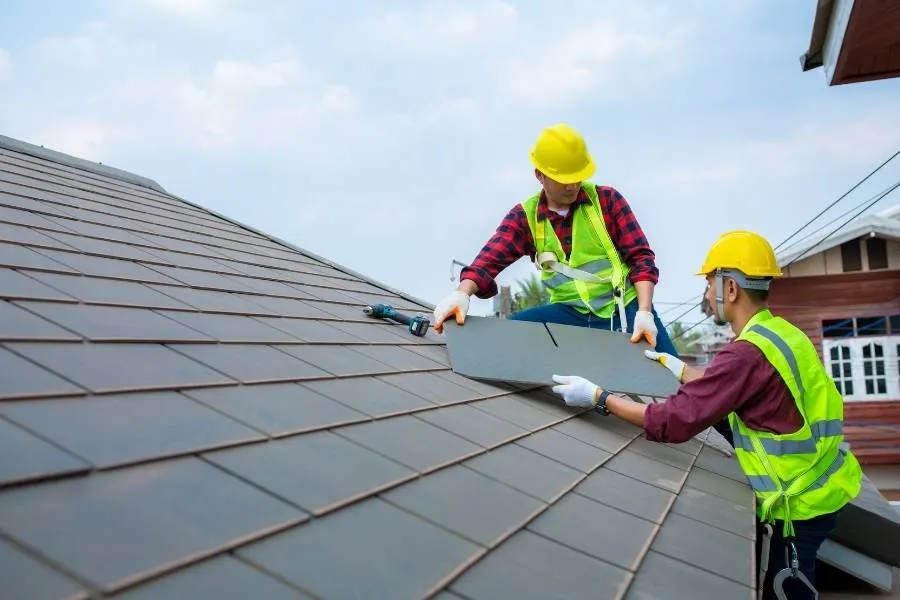
We install, repair and replace asphalt shingle, standing-seam metal, concrete and clay tile, and flat roofing systems across Dripping Springs and the surrounding Hill Country. Each service below is set up for local conditions: heat, hail, heavy rain, steep lots and strict HOAs.

Roof Repair

We find and fix leaks, storm damage, failed flashing, cracked pipe boots, missing shingles and broken tile. The goal is to stop water intrusion and extend your roof's life without pushing a full replacement you don't need.

Our approach

We trace each leak to its source, not just to where the stain shows up. Repairs use materials matched to your existing roof, including matched shingle color, compatible metal panels and salvaged or sourced tile, and we photograph every fix.

In Dripping Springs, TX

In Dripping Springs, most repairs we handle involve UV-cracked pipe boots, sealant-only flashing against limestone walls, and hail or limb damage on otherwise sound roofs. Matching tile in Lakeway and standing-seam panels on Hill Country farmhouses takes specialized parts and skills.

Best for

Roofs under about 15 years old with localized damage, isolated leaks after a storm, or homeowners who want to get a few more good years out of an aging roof.

Specialty

Roof Replacement

We tear off worn or storm-damaged roofs down to the deck, replace rotted decking, correct ventilation and install a complete new system. That includes underlayment, drip edge, flashing and the roof covering you choose.

Our approach

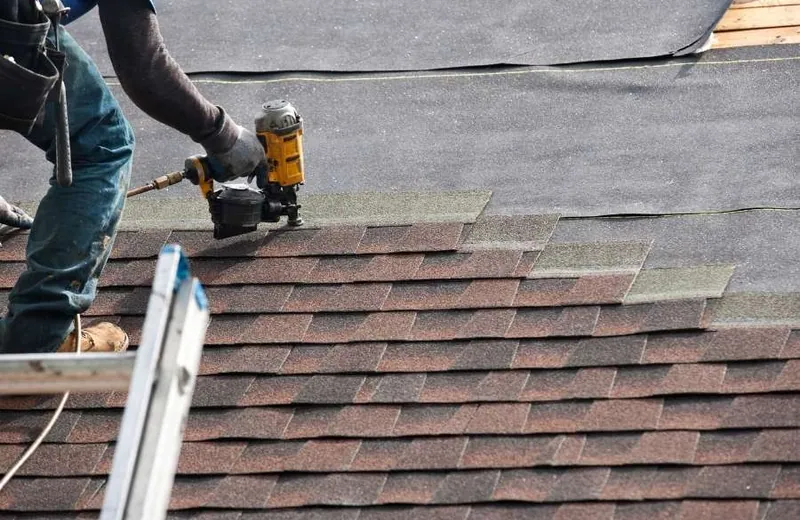
Full tear-off rather than overlays wherever possible, with code-compliant drip edge, synthetic underlayment and new flashing. Summer crews start at dawn to avoid heat-scuffed shingles, and every open section gets dried-in before afternoon storms.

In Dripping Springs, TX

Many 2000s builder roofs in Belterra, Headwaters, Caliterra and Heritage are 15–25 years old and failing together. We help prepare HOA architectural review submissions, pull permits where the jurisdiction requires them and recommend Class 4 impact-resistant options that can lower insurance premiums.

Best for

Roofs over 18–20 years old, roofs with widespread hail damage or granule loss, approved insurance claims, and homes with multiple layers or deteriorated original decking.

Specialty

Roof Installation

We install new roofs on custom homes, additions, barns, shops and outbuildings, including standing-seam metal, architectural and Class 4 shingles, concrete and clay tile, and low-slope flat systems.

Our approach

We match materials to roof pitch, design and exposure, then detail every valley, dormer and stone transition properly. Standing-seam installs use concealed fasteners and correct expansion detailing for Hill Country heat cycles.

In Dripping Springs, TX

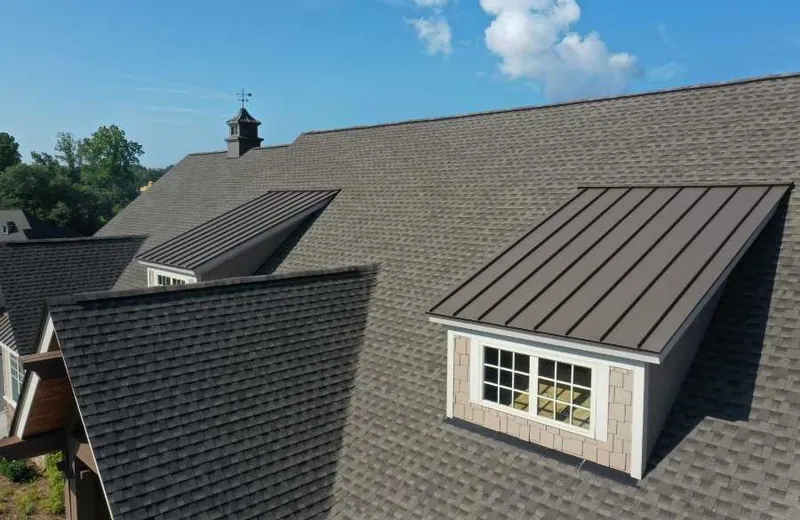
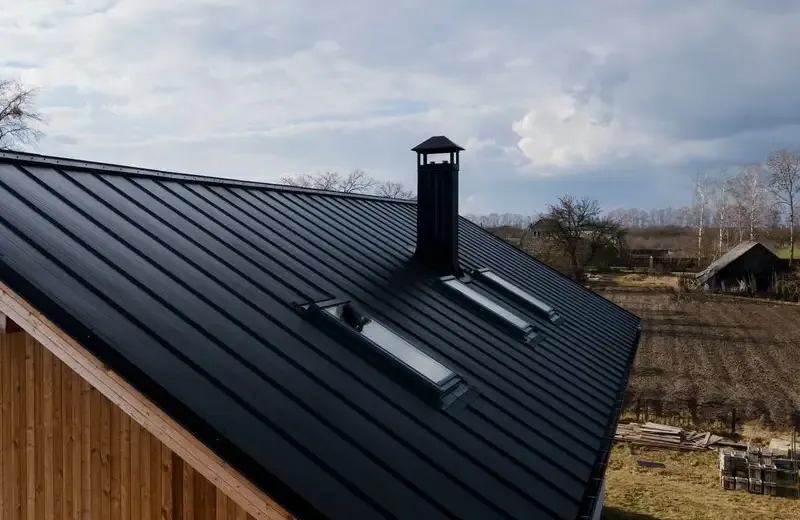
Standing-seam metal in Galvalume, dark bronze or black is the Hill Country signature, on whole roofs or as porch accents. On acreage in the wildland-urban interface, we recommend Class A fire-rated materials and ember-resistant vents. Ranch clients in Henly and Bear Creek rely on us for barn and shop metal.

Best for

New custom builds, additions, material upgrades like shingle-to-metal conversions, and agricultural or outbuilding projects on rural acreage.

Roof Inspection

We do a thorough top-to-bottom roof evaluation covering roof covering, flashing, penetrations, ventilation, gutters and the attic. You get a clear written report with photos showing what's fine, what needs watching and what needs action.

Our approach

Hands-on roof walk where it's safe, attic check for moisture and ventilation, and photo documentation of every issue. After storms, we document hail impacts and wind damage in a way that supports an insurance claim.

In Dripping Springs, TX

Spring hail season and the months right after are peak inspection time across Hays and western Travis counties. Home buyers in fast-moving markets like Lakeway and Bee Cave also use our inspections to understand a roof's condition before closing.

Best for

Post-storm checks, homes being bought or sold, roofs over 10 years old, and anyone who suspects damage but isn't sure.

Roof Maintenance

Planned upkeep that catches small problems before they turn into leaks: clearing valleys and gutters, resealing penetrations, replacing worn boots, securing loose shingles or panels, and checking flashing.

Our approach

Seasonal visits timed around local weather. We do a pre-storm check before spring hail season and a post-leaf-drop cleaning after live oaks shed. Each visit comes with a short photo summary of what we found and fixed.

In Dripping Springs, TX

Heavy live oak and cedar canopy in Driftwood, Lost Creek and Rollingwood clogs valleys right before the May–June rain peak. High UV wears out sealants faster here than in milder climates, so regular maintenance pays off.

Best for

Wooded properties, tile and metal roofs that need specialized care, commercial buildings, and owners who want to get the most life out of a newer roof.

Commercial Roofing

We repair, maintain, replace and install roofs for commercial and agricultural properties, including metal buildings, low-slope and flat roofs, retail and office buildings, and multi-structure venues.

Our approach

Low-slope membrane and coating systems for flat roofs, and standing-seam or exposed-fastener metal for commercial and agricultural buildings. Work is scheduled around business hours and events to keep disruption low.

In Dripping Springs, TX

Wedding venues, wineries, breweries and distilleries along US 290 and FM 150 can't afford a leak on event weekends. We also serve shops, offices and retail centers from Dripping Springs to Bee Cave and Sunset Valley.

Best for

Event venues, hospitality and ag-tourism businesses, retail and office buildings, metal shops and barns, and property managers who want one dependable local roofer.

Emergency Roofing

We respond fast when storms, falling limbs or sudden leaks leave your roof open. We tarp or dry-in to stop water intrusion, secure the structure and document damage so the permanent repair and any insurance claim go smoothly.

Our approach

Heavy-duty tarping or temporary dry-in fastened to resist follow-up wind, removing debris and limbs from the roof surface, and thorough photo documentation before and after.

In Dripping Springs, TX

Flash Flood Alley storms, spring supercells and rare ice events like Uri can damage hundreds of roofs at once. Being local means we're already here when the storm passes and won't vanish once the storm-chaser crews move on.

Best for

Active leaks, storm-torn roofs, tree limb impacts and any situation where water is coming in right now.

Simple & Transparent

Our Roofing Process, From First Call to Final Cleanup

Here's what working with us looks like. Every project follows the same five steps, whether it's a pipe boot repair in Headwaters or a full standing-seam metal roof on a ranch home in Henly.

Free Estimate and Roof Inspection

  • We inspect the roof, flashing, ventilation and attic
  • We photograph damage, wear and problem areas
  • We talk through your goals, budget and material preferences
  • We flag any HOA, permit or access considerations

On gated acreage and steep lots, we also check driveway access, staging space and dumpster placement during this visit.

Usually scheduled within a few days; urgent leaks prioritized

Clear Written Proposal

  • Itemized scope of work and materials
  • Options compared, such as standard vs. Class 4 shingles or shingle vs. metal
  • Contract terms that meet Texas storm-repair requirements
  • Financing options explained if you want them

For insurance claims, we explain your documentation clearly and legally. We never waive deductibles or act as your adjuster, because Texas law prohibits both.

Typically within a few business days of inspection

Approvals, Permits and Scheduling

  • We help prepare HOA architectural review submissions
  • We pull permits where the jurisdiction requires them
  • We order materials and confirm colors and profiles
  • We schedule around the weather forecast

Requirements differ between unincorporated Hays County, the City of Dripping Springs, Austin, Bee Cave, Lakeway and Wimberley, and HOA review in Belterra or Spanish Oaks can add time.

A few days to several weeks, depending on HOA and jurisdiction

Installation or Repair

  • Property protection for landscaping, pools and driveways
  • Tear-off, decking inspection and rotted wood replacement
  • Underlayment, flashing, ventilation and roof covering installed
  • Every open section dried-in the same day

In summer, crews start at dawn to avoid heat-scuffed shingles and crew fatigue. Spring jobs are planned so nothing is left open when afternoon storms build.

Most residential replacements take 1–3 days; complex metal or tile roofs take longer

Cleanup, Final Walkthrough and Documentation

  • Debris haul-off and magnetic nail sweep of the yard and drive
  • Final inspection, plus municipal inspection where required
  • Walkthrough with you and completion photos
  • Warranty paperwork and care recommendations

On rural acreage with livestock, pets, septic fields or wells, we take extra care with nail and debris cleanup.

Same day as completion
The Dripping Springs Roofing Company Difference

Why Hill Country Homeowners Choose Dripping Springs Roofing Company

We're Local, and We'll Still Be Here After Hail Season

After every big hailstorm, out-of-state crews flood Hays and western Travis counties, sign contracts door to door and then disappear before the warranty matters. We work in Dripping Springs and the surrounding Hill Country year-round. We know the roof ages in Belterra and Caliterra, the tree cover in Driftwood and the stone-heavy custom homes along FM 150. If something needs attention after the job, you're calling a neighbor, not a disconnected out-of-state number. Local presence is one of the best protections a homeowner has here.

Bonded and Insured on Every Job

Texas doesn't have a statewide roofing license, so it's on homeowners to check who they're hiring. Dripping Springs Roofing Company is bonded and insured. Steep pitches, limestone outcrops and two-story custom homes make roofing in the Hill Country risky work, and you shouldn't carry that risk. Our coverage protects your property and our crews. We're happy to provide proof of insurance before any work begins, and we think every contractor you consider should do the same.

Shingle, Metal, Tile and Flat Roofing Under One Roof

One street in this area can have architectural shingles, standing-seam metal and concrete tile, and the venue down the road has a low-slope membrane. Many roofers do one material well. We install and repair all four. That matters when you're comparing shingle against metal for a replacement, when a Lakeway tile roof needs matched pieces, or when a Henly barn needs metal that lasts. You get honest advice on which system fits your home, budget and HOA, not whatever one crew happens to sell.

Built for Heat, Hail and Flash Flood Alley

We build roofs for the weather they'll actually face. That means synthetic underlayment and properly sized valley metal for several-inch-per-hour downpours, balanced ridge and soffit ventilation for 100°F summers, and Class 4 impact-resistant options that can qualify for insurance discounts. In wildfire-prone areas, we recommend Class A fire-rated materials and ember-resistant vents. Summer crews start at dawn so shingles aren't scuffed in the afternoon heat, and every tear-off is dried-in before a spring storm can turn it into a disaster.

Free Estimates and Transparent Pricing

Every project starts with a free estimate and a written, itemized proposal. You'll see what we're replacing, which materials we're using and why, and what it costs. No vague lump sums, and no pressure to sign on the spot. If you're filing an insurance claim, we explain the documentation honestly and follow Texas law. We never waive or absorb deductibles, and we never pose as your adjuster. Clear numbers and straight answers are how we earn work.

Flexible Financing Available

A roof replacement is a big expense, and storms don't wait for a convenient time. We offer financing so you can protect your home now instead of patching a failing roof through another hail season. It's also useful for upgrades, like moving from builder-grade shingles to Class 4 impact-resistant shingles or standing-seam metal, that cost more upfront but can pay off in durability and insurance savings. Ask about financing during your free estimate and we'll walk you through the options.

HOA, Permit and Insurance Paperwork Handled Carefully

Between HOA architectural review in Belterra, Headwaters or Spanish Oaks, municipal permits in Bee Cave, Lakeway or Austin, and insurance documentation after a storm, the paperwork can take longer than the roofing. We help prepare architectural review submissions with material specs and color samples, pull permits where required, and give you organized photo documentation. We also know Texas Property Code §202.011 limits HOAs from banning impact-resistant shingles that resemble approved materials, which can help when you're asking for an upgrade.

Trusted Locally

Local, Bonded and Insured Roofing You Can Count On

Our reputation comes from Hill Country neighbors: families in Dripping Springs subdivisions, ranch owners in Henly and Driftwood, and businesses along US 290. Ask us for local references during your free estimate.

Free
Roof Estimates
20-Mile
Service Radius
4
Roofing Systems: Shingle, Metal, Tile & Flat
7
Residential & Commercial Services
BondedInsured
Where We Work

Roofing Service Areas Around Dripping Springs

We serve homes, ranches and businesses within about 20 miles of Dripping Springs, from Wimberley up through the Lake Travis communities and into southwest Austin. Every area has its own roof types, HOAs and permit rules, and we know each one.

Dripping Springs & Western Hays County

Dripping SpringsBelterraHenlyDriftwoodWimberleyWoodcreek

Lake Travis & Highway 71 Corridor

Bee CaveLakewayThe HillsBarton CreekLost Creek

Southwest Austin & Close-In Communities

AustinRollingwoodSunset ValleyBear Creek

We serve properties within roughly a 20-mile radius of Dripping Springs. Not sure if you're covered? Reach out through our contact page and we'll confirm. Not sure if we cover your area? Call (512) 872-5875.

Transparent Pricing

How Much Does a Roof Cost in Dripping Springs?

Roofing costs in the Hill Country depend heavily on material, roof complexity and access. Here are the main factors that drive your price, plus realistic ranges for common local projects. Your free estimate gives you an exact, itemized number.

Primary Factor

Roofing Material

Material choice matters more than anything else. Architectural asphalt shingles are the most affordable, generally around $4.50–$7 per square foot installed in this market, and Class 4 impact-resistant shingles add roughly 10–25%. Standing-seam metal usually runs $12–$20 per square foot, while concrete and clay tile can reach $15–$30. Metal and tile cost more upfront but last much longer, and Class 4 shingles can qualify for insurance premium discounts.

Primary Factor

Roof Size and Complexity

Roofs are priced by the 'square,' or 100 square feet. A typical Dripping Springs subdivision home has 25–40 squares, and custom estates often go well beyond that. Complexity matters as much as size. Multiple hips, valleys, dormers, turrets and stone chimneys add labor and flashing material. A steep, cut-up Hill Country custom roof can cost 30–50% more per square than a simple gable roof of the same size.

Secondary Factor

Decking Condition and Tear-Off

Every full replacement starts with tear-off and disposal. Rotted or delaminated decking, which is common under old leaks, heavy tree shade or failed valleys, gets replaced at roughly $3–$5 per square foot, and we can't price that exactly until the old roof is off. Older homes in Rollingwood and Sunset Valley with two layers of shingles or original 1950s–70s plank decking usually cost more to tear off and re-sheath.

Secondary Factor

Access, Pitch and Site Conditions

Steep pitches need extra safety setups and slower work. Hilly lots with limestone outcrops, long gravel driveways or gated acreage can complicate material delivery and dumpster placement. Protecting pools, landscaping and septic fields adds time. On most homes this is a modest cost, but on remote or very steep sites it can noticeably affect the final price.

Additional Factor

Ventilation, Upgrades and Code Items

Correcting under-ventilated attics with ridge vents and added soffit intake, upgrading to long-life pipe boots, adding radiant barrier and meeting current code for drip edge and underlayment all add cost. They also protect your investment. Permits, where your jurisdiction requires them, and coordinating solar panel detach-and-reset are separate line items we'll spell out clearly.

Typical projectDetailsEstimated range
Leak repair: pipe boots and flashing2008 tract home in Headwaters or Caliterra. Replace 3 cracked pipe boots, reseal exposed fasteners and repair a small section of decking.$350 – $1,200
Asphalt shingle replacement with Class 4 upgrade2,600 sq ft two-story home in Belterra, about 32 squares. Tear-off, synthetic underlayment, ridge vent and Class 4 impact-resistant architectural shingles.$17,000 – $27,000
Standing-seam metal roof on a Hill Country custom homeModern farmhouse on acreage near FM 150, about 40 squares with multiple valleys, a stone chimney and porch tie-ins. Concealed-fastener Galvalume or painted panels.$55,000 – $90,000
Tile roof underlayment replacement and resetMediterranean-style home in Lakeway or The Hills, about 35 squares. Remove and reuse sound concrete tile, replace failed underlayment and flashing, and replace broken tiles.$35,000 – $65,000

Financing is available, so you can replace a failing or storm-damaged roof now or upgrade to Class 4 shingles or standing-seam metal without paying the full cost upfront. Ask about options during your free estimate. A properly installed roof protects what's often a $600K-plus home. Impact-resistant materials can lower insurance premiums, better ventilation can cut cooling costs, and a new roof boosts curb appeal and resale value in a competitive market.

Questions & Answers

Roofing FAQs for Dripping Springs Homeowners

How much does a new roof cost in Dripping Springs?

Most asphalt shingle replacements on typical Dripping Springs subdivision homes fall between about $13,000 and $27,000, depending on size, pitch and whether you choose Class 4 impact-resistant shingles. Standing-seam metal usually runs $12–$20 per square foot installed, so a 40-square custom home often lands between $55,000 and $90,000. Tile work is in a similar or higher range. Complex Hill Country roof lines, decking replacement and difficult access on hilly acreage can push costs higher. We give free, itemized estimates so you know the exact number, and financing is available.

How long does a roof replacement take?

Most residential shingle replacements take one to three days once work starts. Standing-seam metal and tile roofs on larger custom homes often take a week or more because of detailed flashing and panel or tile work. The bigger variable is usually what happens before installation. HOA architectural review in communities like Belterra, Headwaters or Spanish Oaks can take a few weeks, and some cities require permits. Weather matters too. In spring we schedule around storms and dry-in every section the same day, and in summer we start at dawn to beat the heat.

Do I need a permit to replace my roof in Dripping Springs?

It depends on where your property is. Much of the Dripping Springs ZIP code is unincorporated Hays County, where residential roofing permits are limited. Inside Dripping Springs city limits, and in Austin, Bee Cave, Lakeway, Rollingwood, Sunset Valley and Wimberley, roof replacements generally need a municipal permit and inspection. Austin also has its own code amendments. Separately, most master-planned communities require HOA architectural approval before any change to material, color or profile. We'll identify what applies to your address, pull permits where required and help prepare your HOA submission.

My roof was hit by hail. What should I do first?

Check for active leaks first, and if water is coming in, call us for emergency tarping. Then schedule a professional inspection before you file a claim, so you know whether there's real damage worth reporting. We'll document hail impacts with photos to support your claim. Be careful with door-knockers who show up after a storm. Texas law prohibits contractors from waiving your deductible or acting as your public adjuster, and anyone offering either is a red flag. Also review your policy for ACV terms, percentage-based wind/hail deductibles and cosmetic-damage exclusions on metal roofs.

Should I choose metal or shingles for my Hill Country home?

Both work well here, and the right choice depends on budget, style and how long you plan to stay. Architectural shingles cost less upfront, and Class 4 impact-resistant versions handle hail well and can earn insurance discounts. Standing-seam metal costs more but can last 40–50+ years, reflects heat in our 100°F summers, carries a Class A fire rating and fits the Hill Country farmhouse look. One caution: some insurers exclude cosmetic hail dents on metal. We'll compare both honestly for your roof, HOA and long-term plans.

How can I make my roof last longer in this climate?

Start with ventilation. Balanced ridge and soffit venting keeps attic heat from cooking shingles from below, which is a common problem in early-2000s builds. Keep valleys and gutters clear, especially after live oaks drop leaves in spring and before the May–June rain peak. Trim limbs that overhang the roof to reduce storm strikes and shade-related moisture. Replace pipe boots before UV cracks them, usually every 8–12 years for standard rubber. And get an inspection after any significant hailstorm. A maintenance visit once or twice a year catches most of these problems early.

When should I repair my roof, and when should I replace it?

If your roof is under about 15 years old and the damage is localized, like a few missing shingles, a cracked pipe boot or one bad flashing detail, repair usually makes sense. Replacement becomes the smarter investment when shingles show widespread granule loss, curling or brittleness, when there's hail damage across multiple slopes, or when the roof is 18–20+ years old with recurring leaks. Many 2000s-era roofs in Belterra, Headwaters and Caliterra are at that point now. Don't wait on active leaks or soft decking. Water damage and mold get expensive fast.

Do you offer financing and free estimates?

Yes to both. Every project starts with a free, no-obligation estimate. We inspect the roof, photograph what we find and give you a clear written proposal with materials and pricing spelled out. Financing is available for replacements, new installs and larger repairs, which helps when a storm forces an unplanned replacement or when you want to upgrade to Class 4 shingles or standing-seam metal. We're bonded and insured and serve properties within about 20 miles of Dripping Springs. Reach out through our contact page to get started.

Find Us

Serving Dripping Springs, TX & Nearby

4002 US-290 g, Dripping Springs, TX, 78620

Ready When You Are

Schedule Your Free Roof Estimate in Dripping Springs Today

Whether it's hail damage, a stubborn leak or a 20-year-old builder roof that's done, get straight answers from a local, bonded and insured Hill Country roofer before the next storm hits.

  • Free, no-obligation roof inspection and estimate
  • Photo documentation of every issue we find
  • Clear, itemized written proposal with no pressure
  • Shingle, standing-seam metal, tile and flat roofing options
  • Help with HOA architectural review and permits
  • Bonded and insured crews with careful cleanup
  • Financing available for replacements and upgrades

Serving Dripping Springs, Belterra, Driftwood, Henly, Wimberley, Bee Cave, Lakeway, Barton Creek, Rollingwood, southwest Austin and everywhere within about 20 miles.

Water coming in right now? Call us for emergency tarping and dry-in to stop the damage and protect your home until permanent repairs can be made.

Bonded · Insured

Dripping Springs Roofing Company Free estimates across Dripping Springs, TX